‘Double Delusion’: Lily Luong’s Haunting Animated Short Blurs the Line Between Reality and Imagination

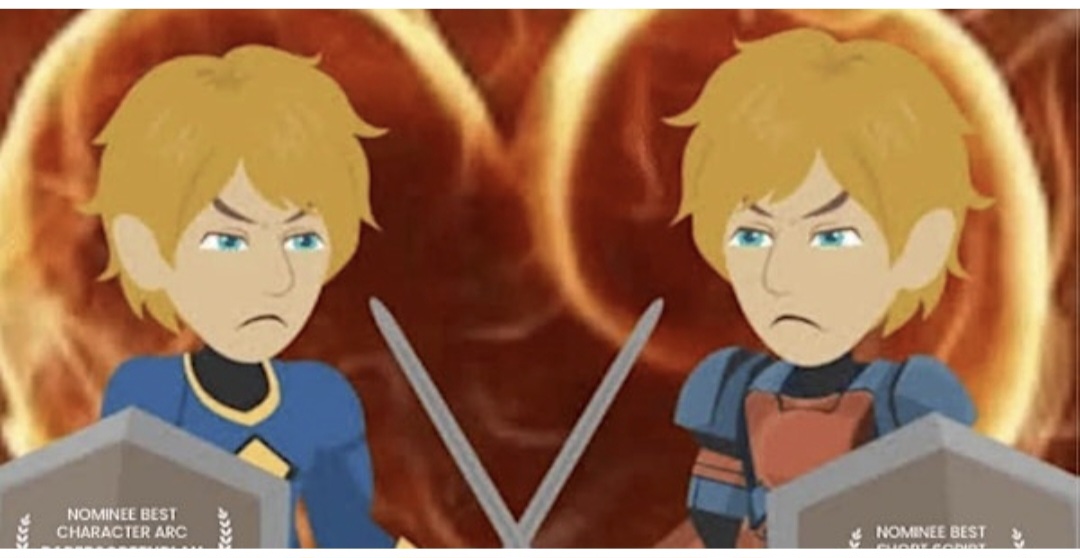
Double Delusion blurs reality and fantasy as two fractured souls become trapped in the same illusion, each convinced the other is only a figment of imagination.

by

Lily Baonhi Luong

December 8, 2025
News Image

LOS ANGELES – Dec. 1, 2025 – In a world where nightmares bleed into reality, and courage becomes the last defense against darkness, Double Delusion takes viewers on an unforgettable journey of love, fear, and redemption. This animated short film redefines what it means to fight demons—both literal and psychological—through the eyes of a young boy named Jack, who will do anything to save his brother from the grip of evil.

Set in a hauntingly beautiful post-apocalyptic world, Double Delusion blends fantasy, horror, and emotional depth to tell a story that is as thrilling as it is heartbreaking. Behind its supernatural façade lies a powerful message about family, sacrifice, and the blurred line between what’s real and what’s imagined.

A Tale of Two Brothers

At its core, Double Delusion is the story of two brothers—Jack and Ethan—bound by blood, love, and a promise to protect each other at all costs. But when their world is invaded by malevolent forces led by the sinister demon Lawrence, that promise is put to the ultimate test.

Jack, the younger of the two, is an ordinary boy with an extraordinary heart. When Ethan falls under Lawrence’s dark spell and begins transforming into a creature of the undead, Jack must embark on a perilous journey to rescue him. What follows is a battle not only against monsters and zombies but also against Jack’s own doubts and fears.

The relationship between the brothers forms the emotional backbone of the story. Through flashbacks and tender moments, we see the deep bond they share—their shared laughter, dreams, and childhood adventures—contrasted against the chaos that now surrounds them. The film makes it clear: Jack isn’t just fighting demons; he’s fighting for the memory of who his brother used to be.

The World of Double Delusion

The film’s setting is a visual masterpiece—a crumbling city overtaken by darkness, where every corner hides a new terror. The world feels both familiar and fantastical, blending realistic details with surreal touches that echo the duality of the title itself.

The skies are a swirling mix of blood-red and indigo, the color palette shifting with Jack’s emotional state. The ground cracks open as the undead rise, their eyes glowing with unnatural light. Yet amid the devastation, moments of quiet beauty emerge—fireflies in the distance, the moonlight reflecting off broken glass, and memories of a peaceful home that once was.

This visual contrast captures the essence of Double Delusion: the coexistence of hope and horror, light and darkness, truth and illusion. Every frame feels alive, charged with energy and emotion, pulling the audience deeper into Jack’s mind.

The Villain: Lawrence, the Demon of Deception

Every great story needs a great villain, and in Double Delusion, that role belongs to Lawrence—a powerful demon with the ability to manipulate minds and twist reality. Unlike typical monsters, Lawrence doesn’t simply destroy—he deceives. He feeds on fear, guilt, and grief, using them as weapons to control his victims.

Voiced with chilling calmness and eerie charm, Lawrence is not just a figure of evil; he represents internal torment. He whispers doubts into Jack’s mind, forcing him to question everything he knows. “What if your brother doesn’t want to be saved?” he taunts. “What if he’s happier with me?”

Lawrence’s zombies are not mindless creatures—they are remnants of human souls trapped in eternal conflict, representing the lingering weight of regret and broken promises. Each encounter pushes Jack closer to despair, testing his courage and sanity.

Through Lawrence, the film explores the theme of manipulation and illusion. The demon’s greatest power is not physical strength, but his ability to make his victims believe in lies. In many ways, Double Delusion suggests that the real battle is not against external monsters, but the internal voices that distort truth.

Jack’s Journey: A Hero Forged in Fear

Jack’s journey is one of transformation. He begins as a frightened boy overwhelmed by the horror around him. But as he faces each trial, he discovers a strength he never knew he had. His bravery is not about being fearless—it’s about acting in spite of fear.

Throughout the film, Jack must make impossible choices. In one striking scene, he stands at a crossroads between saving a trapped survivor or continuing to search for his brother. His hesitation, his trembling hands, and the tear that falls as he whispers Ethan’s name—these moments ground the fantastical story in raw human emotion.

As Jack delves deeper into the demon’s lair, reality begins to distort. Shadows whisper, time bends, and the world flickers between memory and nightmare. The line between truth and hallucination fades, and the audience, like Jack, starts to question what’s real. This psychological complexity gives Double Delusion its haunting power.

By the climax, Jack’s battle with Lawrence becomes symbolic—a confrontation between hope and despair. When he finally faces the demon, the fight is not just physical but emotional. Every swing of his weapon feels like an act of love and defiance, a desperate attempt to bring his brother back from the darkness.

Animation and Artistic Vision

Visually, Double Delusion is a stunning achievement. The animation combines 3D realism with painterly textures, giving the world a dreamlike, hand-crafted quality. The character designs balance innocence and terror—Jack’s expressive eyes mirror his vulnerability, while Lawrence’s ever-shifting form evokes constant unease.

Lighting plays a crucial role in storytelling. Scenes drenched in shadow reflect Jack’s fear, while bursts of golden light symbolize fleeting hope. The animation style, though dark, is never grotesque—it’s poetic, emphasizing atmosphere over gore.

The film’s score, composed of haunting strings and subtle electronic tones, amplifies the tension. The music rises and falls like a heartbeat, mirroring Jack’s emotional journey. Silence, too, is used masterfully—creating moments of unbearable suspense before chaos erupts.

Themes Beneath the Darkness

While Double Delusion works as an action-packed supernatural adventure, its deeper message resonates far beyond its fantasy setting. It’s a story about love’s endurance in the face of despair, and the delusions we create to protect ourselves from pain.

The film explores mental and emotional duality—how the mind can be both a weapon and a sanctuary. Jack’s struggle to distinguish illusion from reality mirrors the human experience of coping with trauma. When life becomes unbearable, the brain constructs its own version of truth.

The title Double Delusion thus holds multiple meanings. It refers to the demon’s manipulation, the illusion of hope, and Jack’s own internal conflict between belief and denial. Is the demon real, or is he a manifestation of Jack’s guilt for not protecting his brother earlier? The film leaves that question deliberately unanswered, inviting endless interpretation.

Emotional Impact and Universal Appeal

Though set in a fantastical world, Double Delusion connects deeply with universal emotions—fear of loss, the pain of guilt, and the power of love. Children and adults alike can find meaning in Jack’s journey, though the film’s darker tones make it especially impactful for older audiences who understand the metaphorical layers.

At its heart, Double Delusion is about resilience. It’s about refusing to surrender to darkness, even when it seems overwhelming. It reminds us that love—pure and unconditional—can be the strongest weapon against despair.

Behind the Magic

Director Lily Luong’s vision brings a rare blend of emotional storytelling and visual artistry to animation. Her approach emphasizes character psychology over spectacle, ensuring that every frame serves a purpose. The film’s pacing, deliberate and tense, mirrors Jack’s mental state—urgent yet fragile.

Luong has said in interviews that Double Delusion was inspired by the concept of how “children process grief through imagination.” This perspective transforms the story from a mere fantasy into a poignant psychological exploration. The monsters may be fictional, but the emotions are painfully real.

Conclusion: Facing the Darkness Within

In the end, Double Delusion is more than just an animated horror—it’s a cinematic reflection on courage, loss, and the human mind’s struggle between truth and illusion. It leaves audiences questioning not only what they’ve seen but what they believe.

When the final scene fades, and Jack’s fate hangs in uncertainty, one message becomes clear: the real battle is not against demons or zombies—it’s against the darkness within us all.

With its powerful blend of heart, horror, and artistry, Double Delusion stands as a testament to the evolving potential of animated storytelling. It reminds us that even in a world filled with shadows, love and truth can still shine through.

Double Delusion is not just a film—it’s an experience. One that stays with you long after the credits roll, whispering that courage sometimes means believing in the impossible… even when the whole world tells you it’s an illusion.