How To Submit To Max It Magazine
Have film news to share? Here’s what to gather before sending your story, images and links to Max It Magazine.
Have film news to share? We’d love to hear what you’re working on. Whether you’ve wrapped your first short or announced a festival screening, a little preparation will help you tell the story clearly. Before opening the Max It Magazine submission form, gather your article, main image, relevant links and contact details in one place.
You’ll work through four stages: article details, images and media, contributors, and contact information. Let’s get everything ready before you start.
Prepare the article
What’s the news you’re excited to share? It might be a production milestone, a release, a festival selection or a crowdfunding launch. Start there, then explain what happened, who’s involved and why it matters now.
The current form requires:
- A headline between 12 and 90 characters.
- An excerpt between 30 and 180 characters.
- A complete article of at least 150 words, within the form's 15,000-character limit.
- At least one relevant category, with a maximum of five.
Once you’ve covered those requirements, focus on the story. Give a new reader enough detail to understand the announcement, and let the excerpt add a useful detail alongside your headline. You don’t need extra words just to make the release feel bigger.
Write the article in AP style, as requested on the submission page. A pitch, one-sheet or collection of links still needs to be developed into a complete release before submitting.
Gather images and useful links
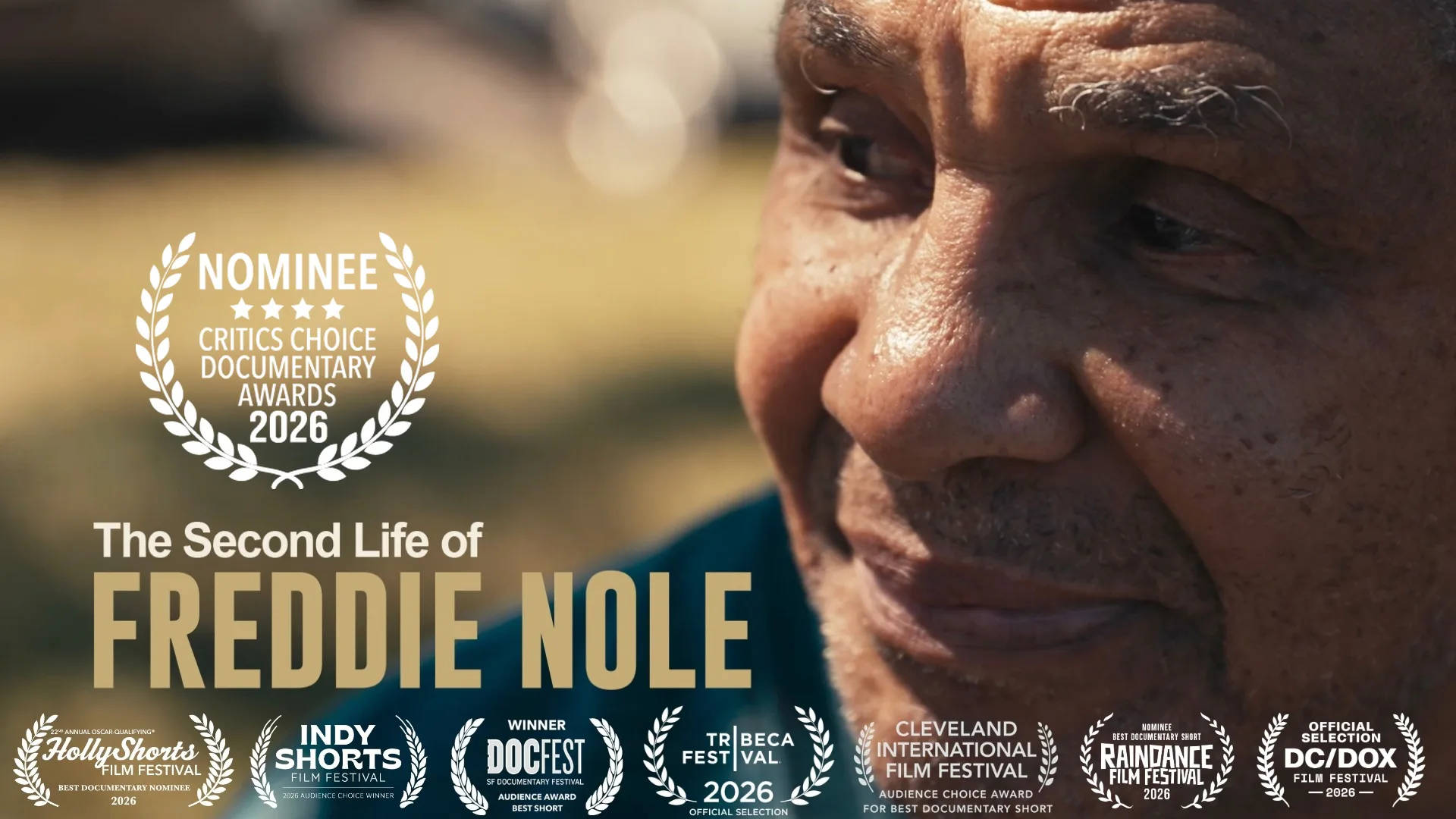
A featured image is required. The form recommends a high-resolution image measuring 2,560 by 1,440 pixels or larger. Prepare artwork that represents the story clearly, along with any necessary credit information.
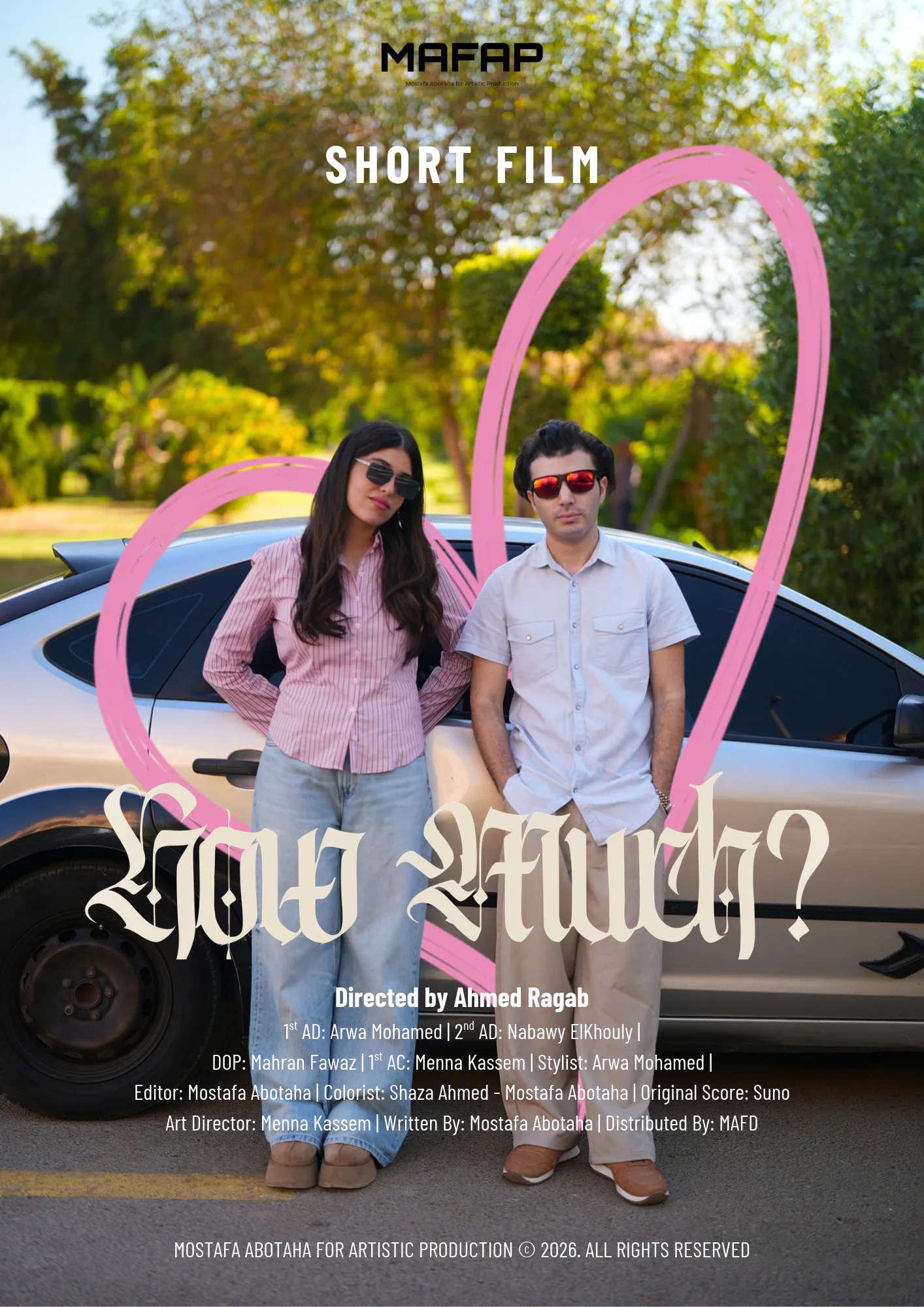
Additional images are optional; the current form allows up to six. Select material that adds something useful, such as a production still or poster. Keep a separate copy of the original files.
Gather official project links and relevant video URLs. Check that each link opens the intended page and that a reader can access public promotional material without requesting permission.
Still writing your release?
Use our independent film press release guide for a worked example, then return to the submission form when your article and images are ready.
Check contributor information
Prepare accurate cast, crew and organization details where relevant. Confirm spellings, roles and official links with the people or companies involved. Adding someone to a release is a reason to verify their credit, rather than guess it from an online profile.
Add the details you have. It’s fine to leave an optional field empty when it doesn’t fit your story.
Identify the author and contact person
The form asks who wrote the press release, who is submitting it and which email address editors should use for questions. These can be different people. Enter the appropriate names rather than using a company name as a substitute for a requested personal contact.
Read the current Terms of Service before agreeing to them. The editorial standards also explain expectations for sourcing, originality, supplied images and permissions.
Review the whole submission
Before you send it, try reading the article as someone who’s just hearing about your film. Can they tell what you’re making, where the project stands and where to find out more?
Check dates, names, credits and links against your source material. Then complete the form's verification and submit for editorial review. A submitted release still requires an editorial decision.
Build a submission packet before opening the form
Make things easier on yourself with one working folder for the release, your selected images and a short reference sheet. The reference sheet can list each person's exact credit, the official project links and the source confirming the main announcement. This is a preparation method, not an extra upload requirement.
| Material | What to check |
|---|---|
| Article and excerpt | The opening identifies one confirmed development; the excerpt adds context |
| Main image | The subject is clear and any required credit is recorded |
| Supporting images | Each adds information rather than repeating the same artwork |
| Credits | Names and roles match information supplied by the team |
| Official links | Public pages open correctly and refer to the right project |
| Contact details | The named contact can answer questions about the submission |
Separate facts from future plans during this check. A film entering post-production, seeking distribution and announcing a release are three different developments. Use the one you can substantiate.
Choose the right route for your material
If you have a complete release, use the story form. If you need help turning notes into an article, start with our film press release writing guide. For a screening or gathering that belongs in the calendar, use Submit an Event. The contact page is available for questions that the form does not resolve.
Before pressing submit, check the material against the current editorial standards. A complete packet makes the information easier to assess; it does not replace editorial review.
Got everything together? Send your completed press release to Max It Magazine. We’d love to learn about your project.
Filed Under
Have film news to share?
Send your release announcement, festival news, production update or crowdfunding story to Max It Magazine for editorial review.